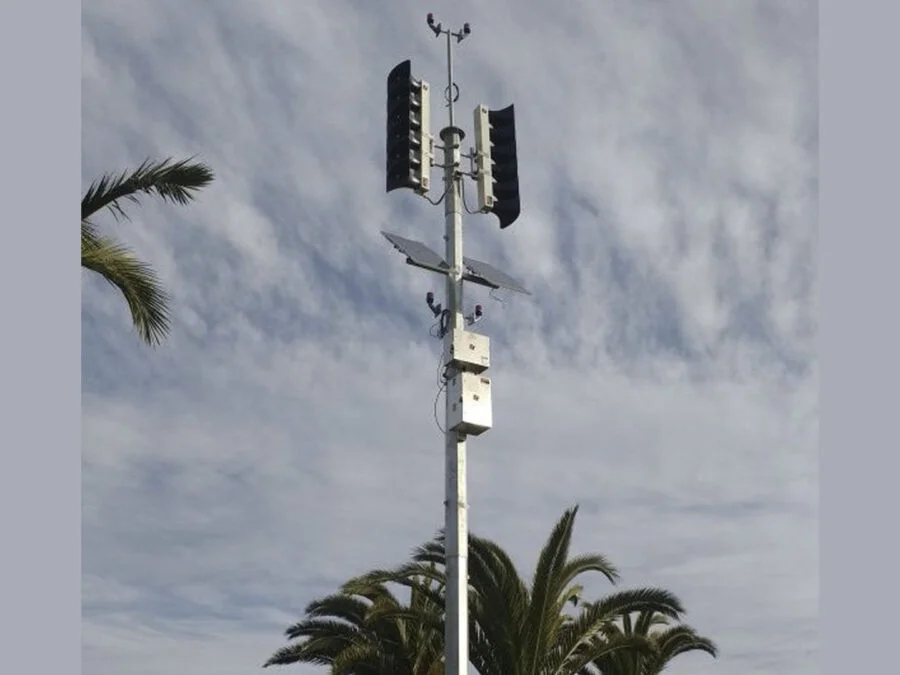
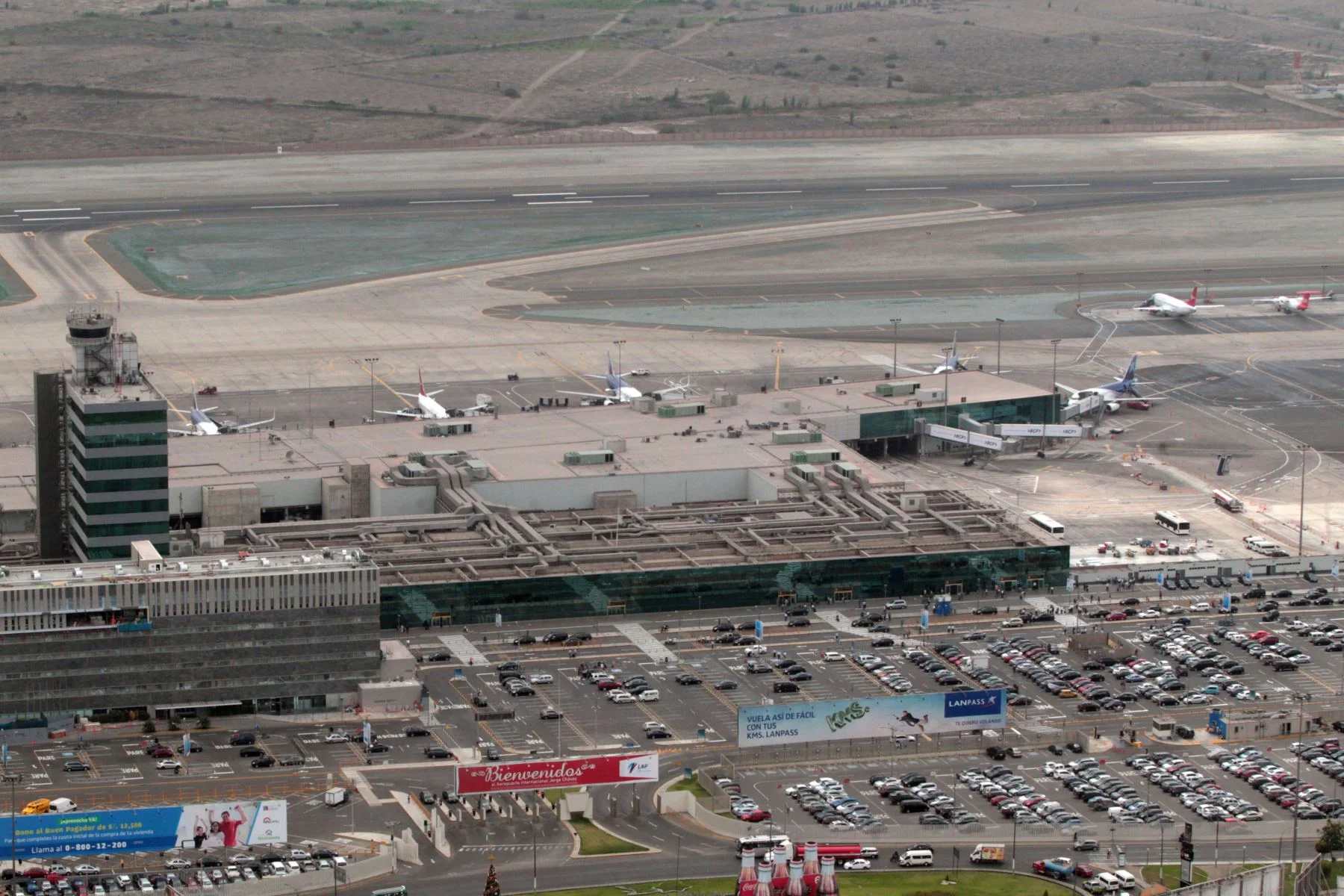
Lafcarr chemical and Seveso risk early warning system in a petrochemical area

Early warning system for chemical and Seveso risk

Integrated gas detection, industrial sirens and COMSIR SCADA to comply with the Seveso III Directive (2012/18/EU) and RD 840/2015, with full traceability for internal/external emergency plans and inspections.

Sensors Supply and/or integration of sensor networks
+20 years Engineering in regulated Seveso environments
Seveso III Directive 2012/18/EU · RD 840/2015
COMSIR software Supervision with TETRA · IP · mobile redundancy
Overview

Detection, control and warning for sites covered by the Seveso III Directive

The Seveso III Directive (2012/18/EU) and RD 840/2015 require all affected establishments (lower and upper tier) to have an Internal Emergency Plan (PEI); the External Emergency Plan (PEE) is only required for upper-tier establishments and is drawn up by the regional civil protection authority, with the operator's cooperation, to ensure effective public warning in the event of a major accident. At Lafcarr we design and deploy systems that cover the whole cycle: incident detection, notification to the operator and Civil Protection, alarm activation and audible public warning, with an audited record of every action.

Accident detection

  • Gas sensors: chlorine, NH₃, H₂S and other common toxic gases
  • Thermal IP cameras and real-time view of the site
  • Sensor barriers with automatic thresholds and remote control
  • Receipt of telephone alerts and integration with the internal plan

Communications and control

  • Local and central control centres (SaaS option)
  • Redundant communication controls
  • High availability with no single point of failure
  • COMSIR SCADA software with scenario management, traceability and auditing

Public warning

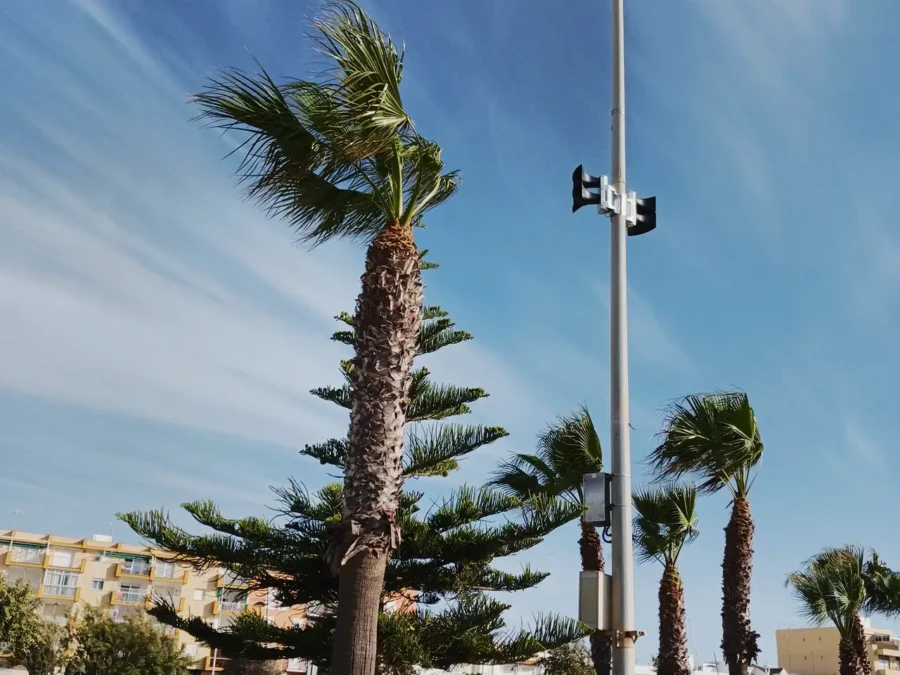
  • High-power directional and omnidirectional electronic sirens around the perimeter
  • Pre-recorded tones and messages
  • Warning zone calculated by ISO 9613 acoustic simulation
  • Activation by the operator, Civil Protection or other bodies

Regulatory compliance

  • Seveso III Directive (2012/18/EU) and RD 840/2015
  • Integration with the site's internal and external emergency plans
  • Audited records ready for inspections and drills
  • Verifiable reports for the competent authority
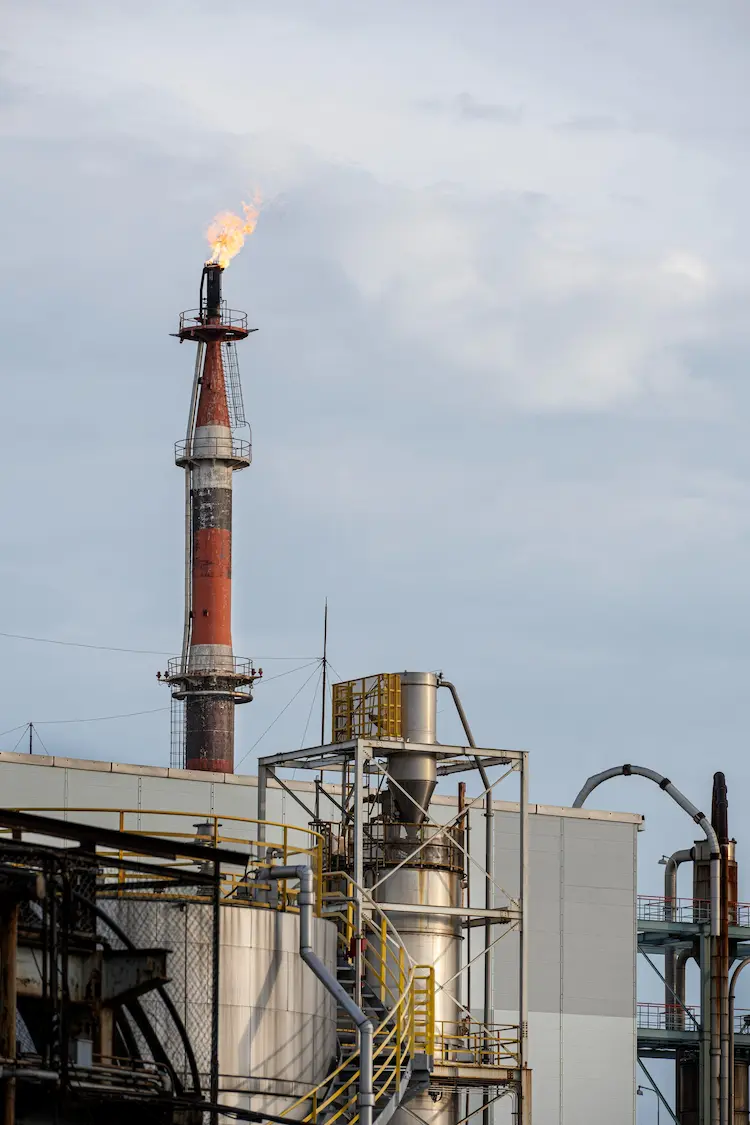
Industrial facilities with a Lafcarr warning system
Operational context

Speed is the critical factor in SEVESO: from t1 to t3 in seconds

A major accident at a SEVESO site —leak, fire or explosion— can escalate within minutes. The operational key is to minimise the time from the start of the incident (t1) to the public receiving the warning (t3), via detection/notification (t2) and alarm activation.

We work on every element of the cycle to cut these times to a minimum: sensors with automatic thresholds, redundant active-active communications and direct siren activation without relying on manual intervention. The warning zone is determined by ISO 9613 acoustic simulation, guaranteeing real, verifiable coverage.


System architecture

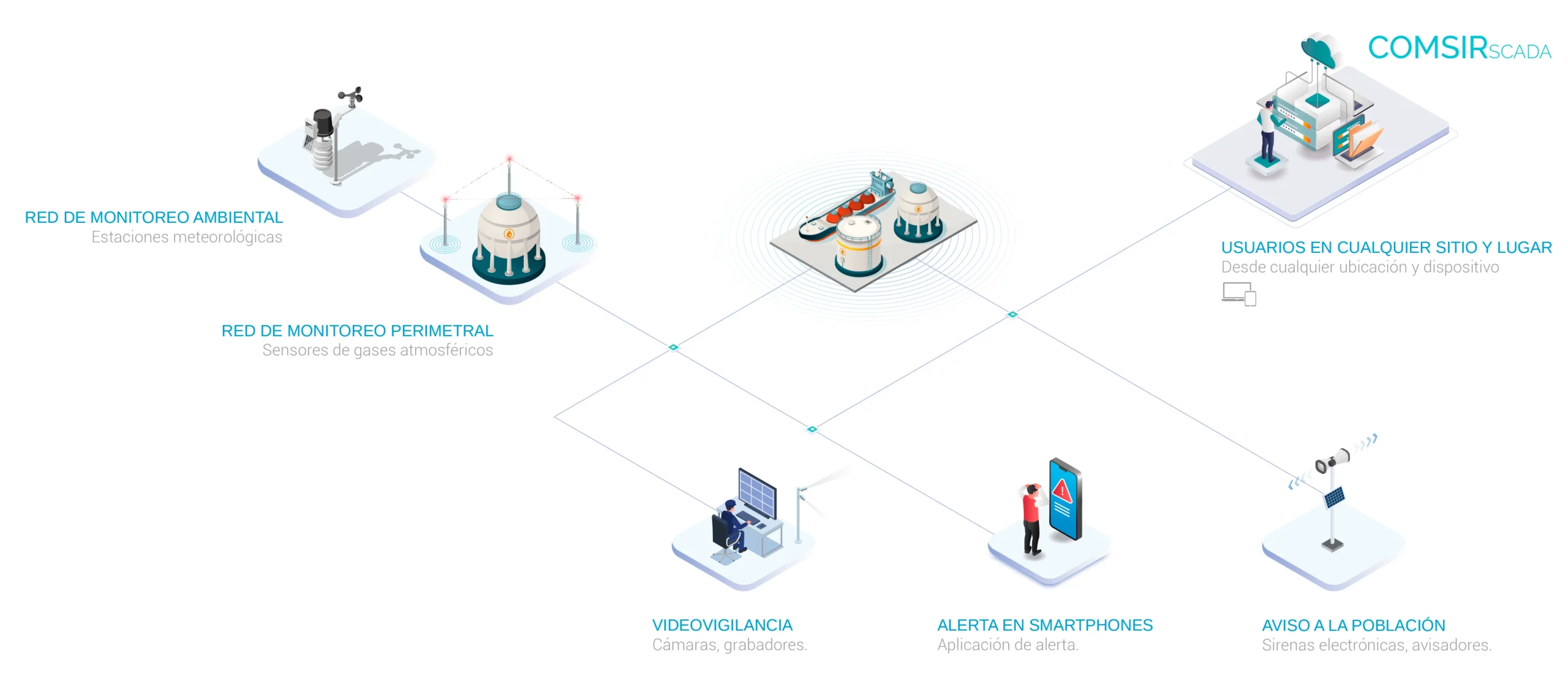
SEVESO detection and warning system diagram

Technical diagram of the full cycle: industrial accident detection, notification to the operator and Civil Protection, alarm activation and audible public warning.

SEVESO detection and warning system diagram: chemical sensors, redundant control centres, COMSIR SCADA and electronic public warning sirens — Lafcarr
Operational benefits

Engineering with over 20 years of experience in regulated environments

From the technical drafting of the internal plan to commissioning the system and support during official drills. In-house siren manufacturing, our own software and communications designed not to fail when it matters most.

Minimal t1 → t3 time through cycle automation
Dual control centre: no single point of failure
ISO 9613 acoustic simulation to validate warning coverage
Integration with 112, CECOP, Civil Protection and local external emergency plans
Full traceability: inspections, audits and drills
Open protocols: MODBUS, OPC, IEC 60870-5-104, DNP3 and API/REST
Lafcarr system for Seveso environments and industrial risk
Frequently asked questions

Common questions about Seveso warning systems

We answer the questions most often raised by site operators, Civil Protection officials and engineering firms during design, tendering or plan updates.

What public warning obligations does the Seveso III Directive impose?

The Seveso III Directive (2012/18/EU), transposed in Spain by RD 840/2015, requires all affected establishments to draw up Major Accident Prevention Policies (PPAG) and an Internal Emergency Plan (PEI). Upper-tier establishments must also cooperate with the regional civil protection authority in drawing up the External Emergency Plan (PEE), which that authority approves and activates. The operator must have the technical means to report the incident to Civil Protection and to warn workers and the affected population within the times set out in the applicable plan.

Why is an electronic siren network recommended over other warning systems?

Where the site's risk analysis and internal/external plans call for it, the electronic siren is usually the recommended solution because it doesn't depend on people having an active, up-to-date device: the message reaches everyone at the same time, is consistent, has no distribution errors and works independently of external operators. Other channels (SMS, mobile apps and FM radio) are useful as a complement; the final choice of medium is set out in the plan approved for each site.

How are the warning zone and the required acoustic coverage calculated?

The warning zone is determined from the site's risk analysis: type and quantity of substance, accident scenarios and the external plan's intervention and maximum alert zones. Based on that zone, we run an ISO 9613 acoustic simulation to size the number, type and position of sirens needed for effective coverage. The result is an isophone study that can be submitted to the competent authority as technical evidence.

Can the system be integrated with the site's SCADA or internal emergency plan?

Yes. COMSIR integrates with existing industrial SCADA systems via standard protocols (MODBUS, OPC, IEC 60870-5-104, DNP3 and API/REST). It can also connect with Civil Protection systems (112, CECOP) and the operator's internal emergency plan procedures, so that alarm activation is built into the internal emergency management workflow.

How are drills and inspections by the competent authority handled?

The system includes periodic test and drill protocols with automatic logging in COMSIR: checklist, activation records, the status of every node and communications evidence. All of this is available to present to the competent authority during inspections or external plan reviews, with no extra preparation.

Technical advice

Is your site covered by the SEVESO III Directive?

We work with site operators, engineering firms and Civil Protection bodies to design and deploy systems that comply with RD 840/2015: from the acoustic study and technical architecture to commissioning, drills and operational maintenance.

    At Lafcarr we make critical environments safer.

    Do you need a warning system, iDAM monitoring or an emergency plan?
    Fill in this form and our technical team will get back to you within 48 working hours.