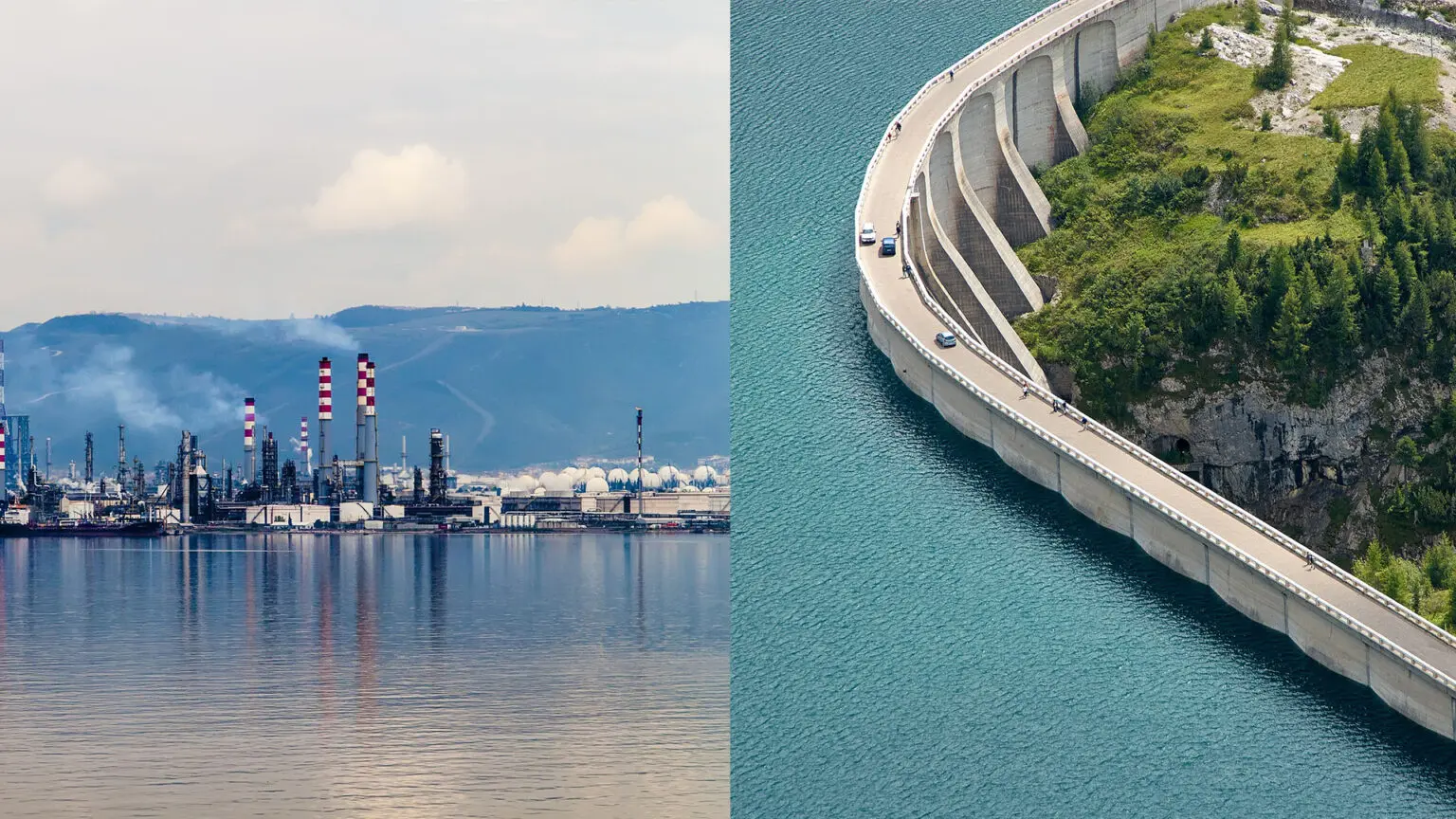
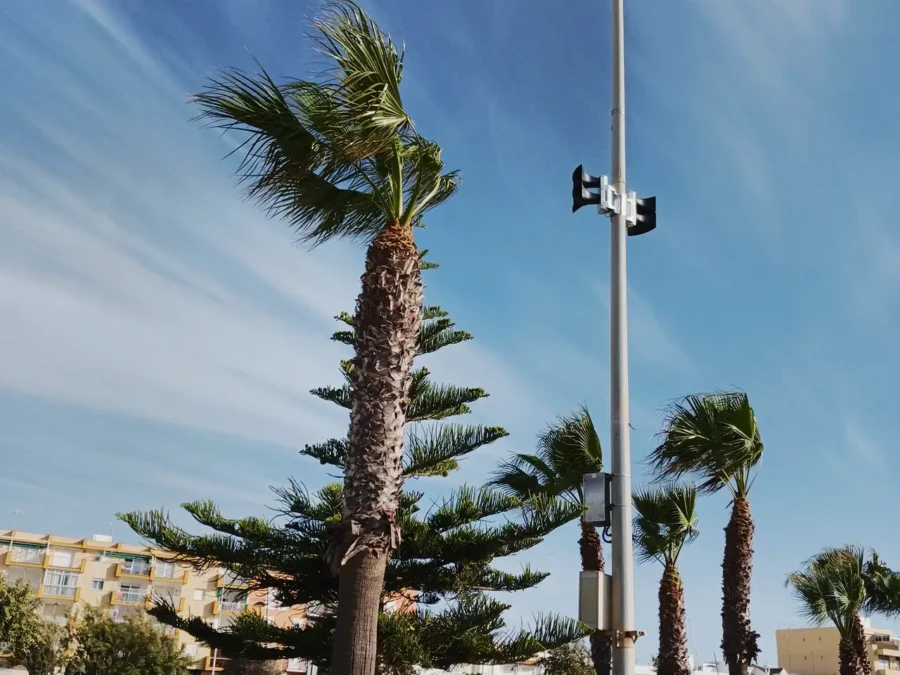
Lafcarr multi-hazard early warning system — dam and industrial infrastructure

Multi-hazard early warning system

One solution to manage floods, natural hazards, industrial sites and urban areas.

+400 Systems deployed in real risk environments
4 hazards
1 platform
Flood · Natural · Industrial · Urban
iDam · COMSIR Integrated in-house software, no external dependency
6 countries With active multi-hazard solutions
Overview

A single system that responds to any type of risk

Many territories, municipalities and infrastructures don't face just one type of threat: they live with hydraulic, industrial, natural and urban risks at the same time. Managing each with separate systems creates operational silos, duplicated resources and inefficient response times. At Lafcarr we design multi-hazard warning systems that bring detection, management and warning for any threat into a single architecture, sharing communications, software and command post, with protocols adapted to each scenario.

Full territorial coverage

  • One system for dams, floods, Seveso, tsunamis, wildfires and urban areas
  • Shared management of sirens, activators, sensors and communications
  • Separate protocols for each type of risk in the same software
  • Coordinated operation from a single command post or from multiple networked centres

Unified management platform

  • COMSIR as the central SCADA: supervision, activation and traceability of all risks
  • iDam for technical monitoring of infrastructure and sensors
  • Predefined scenarios and automatic or manual activation by type of threat
  • Audited history of all activations, tests and alarms

Robust, redundant communications

  • Network architecture designed not to fail when it matters most
  • IP, PMR/DMR/TETRA professional radio, mobile network and VSAT depending on criticality
  • Service continuity during power cuts thanks to backup batteries

Adapted to regulations and environment

  • Architecture designed in line with the framework applicable to each risk: RD 264/2021 (dams), Seveso III Directive and RD 840/2015 (industrial risk), nuclear emergency and Civil Protection plans
  • Integration with 112, CECOP and the client's existing systems
  • Technical documentation and evidence for audits and inspections
  • Drills with automatic records verifiable by the competent authority
Warning system technical maintenance service — Lafcarr
Operational context

When risks accumulate in a territory, the response can't be fragmented

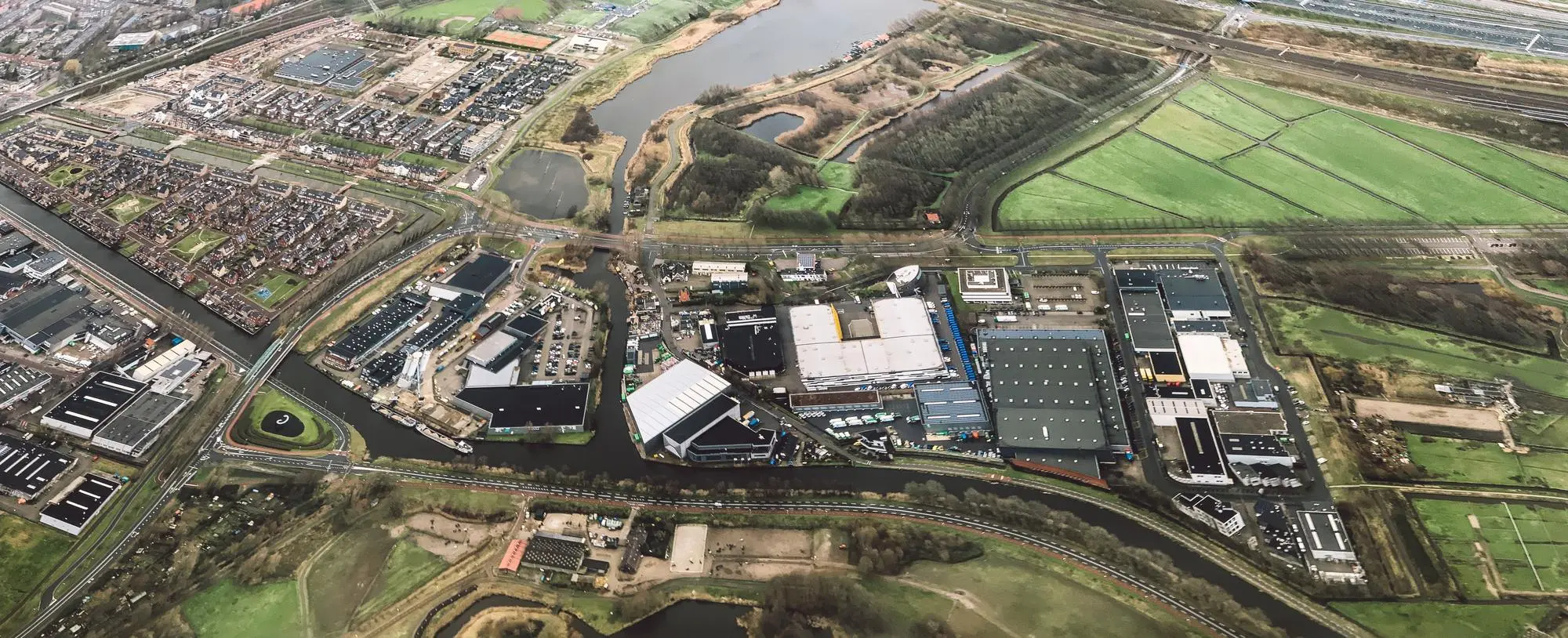
A coastal municipality may simultaneously face tsunami risk, flooding from heavy rain and a SEVESO site on its industrial estate. A hydraulic infrastructure operator may manage dams, ponds and flood-prone stretches within the same catchment. A regional government may need to coordinate wildfire, landslide and seismic alerts from a single centre.

In all these cases, deploying separate systems —one per risk— not only multiplies deployment and maintenance costs but also creates serious operational inefficiencies: operators have to learn and use several interfaces, activation protocols are not unified and traceability is scattered. Lafcarr's multi-hazard solution solves this with a modular architecture that shares field infrastructure, communications and software while keeping each threat's specific protocols.


System architecture

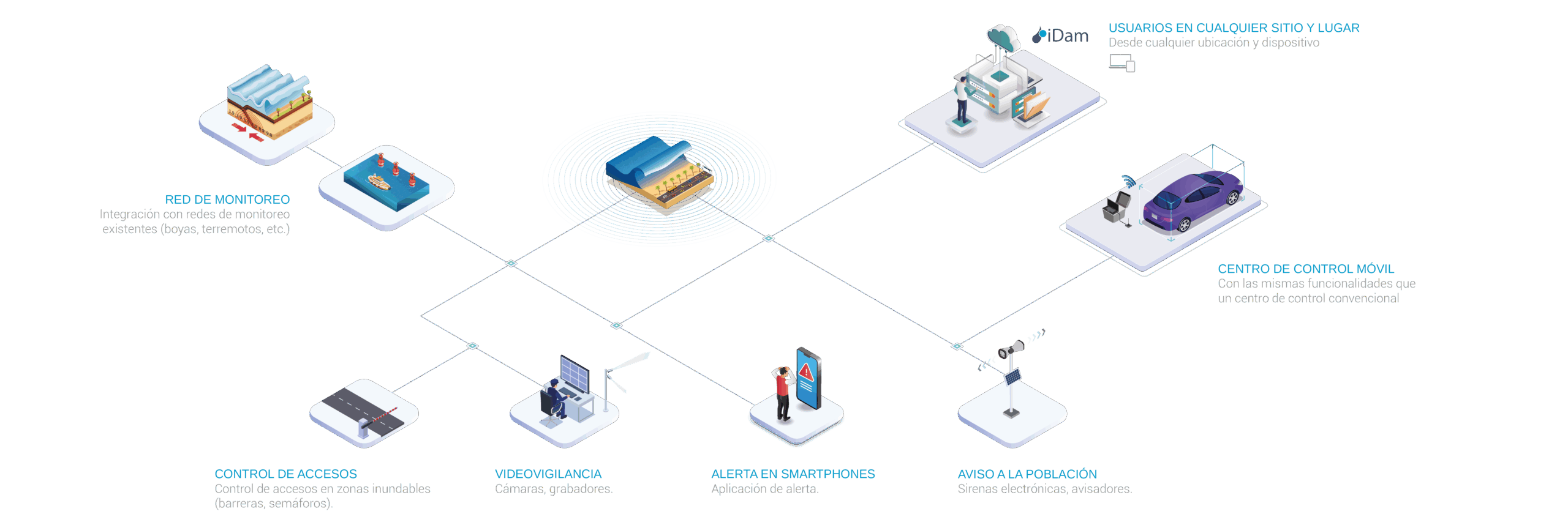
Multi-hazard warning and management system diagram

Technical diagram of the unified architecture: sensors and detection by type of risk, shared redundant communications, the COMSIR/iDam platform and coordinated activation of sirens and public alerts.

Multi-hazard warning system diagram: hydraulic, chemical and weather sensors; redundant communications; COMSIR SCADA; iDam; electronic sirens and control centres — Lafcarr
Risk coverage

An architecture ready
for any threat

Lafcarr's multi-hazard system shares field infrastructure, communications and the management platform. Every module is part of the same ecosystem.

Flood risk

  • Dams: RD 264/2021 compliance, structural monitoring and remote control
  • Ponds: continuous monitoring of level, flow and pressure with iDam
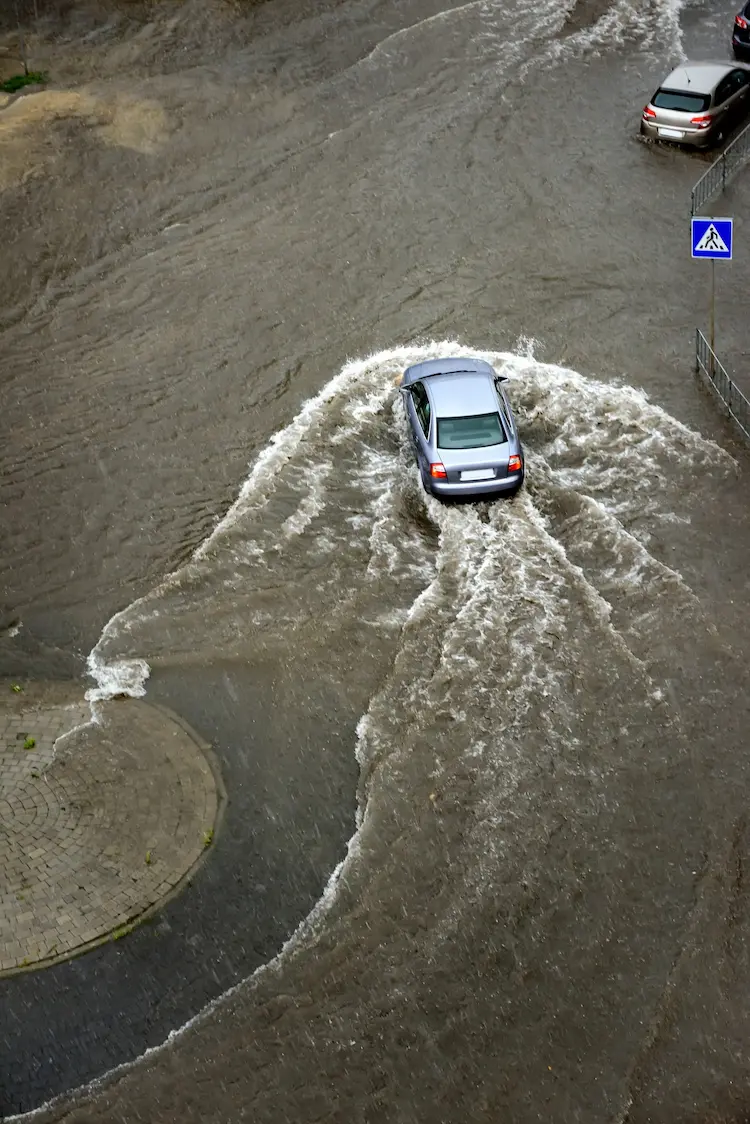
  • Flash floods: gauging stations and siren activation
See flood solution

Natural hazards

  • Tsunamis: SMAST system with marine sensors and a coastal siren network
  • Wildfires: IP video surveillance and thermal cameras for early detection
  • Earthquakes and volcanoes: integration with seismic networks and chained protocols
See natural hazards solution

Industrial risk

  • Chemical/SEVESO: gas detection, redundant centres and perimeter audible warning
  • Nuclear: siren networks for nuclear emergency plans with extreme reliability
  • Consistent integration
See industrial solution

Urban environment

  • Mass and zoned warning by neighbourhood, district or defined area
  • Directional and omnidirectional sirens with tones and multilingual voice messages
  • 24/7 operation from the municipal control room with cloud or SaaS backup
See urban solution
Operational benefits

Fewer silos, more efficiency. One platform for the whole risk map

Over 20 years deploying warning systems in the most demanding environments in Spain, Portugal and Latin America. Our own hardware, our own software and communications designed to work where and when they are needed most.

A single command post for every type of risk in the area
Fault-tolerant architecture with redundant control centres and operational continuity if one goes down.
Activation in seconds: automatic by threshold or manual from anywhere
Open protocols: integration with existing SCADA, 112, CECOP and third-party systems
Unified traceability: an audited record of all activations, alerts and drills
Modular scalability: add new risks or areas without replacing the core infrastructure
Lafcarr platform for multi-hazard management and territorial warning
Frequently asked questions

Common questions about multi-hazard warning systems

We answer the questions most often raised by authorities, infrastructure operators and engineering firms when tackling a warning project with several types of threat.

Can one system manage risks as different as a flood and a chemical leak at the same time?

Yes. The key is that each type of risk has its own set of sensors, thresholds and activation protocols configured independently within the COMSIR platform. The software identifies the activation scenario —flood, industrial leak, tsunami, fire— and runs the matching protocol: the voice message, the warning zone, the siren nodes involved and the authority notification profile. The risks coexist in the same system without interfering with each other.

Can it be integrated with the SCADA or management systems we already have?

Yes. COMSIR and iDam integrate with existing systems through standard industrial protocols: MODBUS, OPC-UA/DA, IEC-104, DNP3 and API/REST. This allows the multi-hazard system to connect with industrial SCADA, infrastructure monitoring systems, Civil Protection platforms (112, CECOP) or the client's own tools without replacing what is already installed.

What happens if two types of risk are triggered at once?

The platform handles simultaneous activations with configurable priority and independent scenarios. Each risk protocol runs autonomously: a flood alert can be active while an industrial incident is being managed in the same control centre, without either interfering with the other. The operator sees the status of each risk on separate dashboards and can act on each independently or in coordination.

How does the solution adapt to environments where different regulations coexist?

We design the architecture based on an analysis of every regulatory framework that applies to the environment: RD 264/2021 for dams, the Seveso III Directive and RD 840/2015 for industrial risk, nuclear emergency plan regulations and regional and municipal Civil Protection plans. Each system component is documented and validated according to the risk it serves, and the platform produces the activity and traceability records that the owner or authority can submit to the competent authority, without replacing the specific regulatory analysis for each project.

Can the system be extended to cover new risks in future without replacing existing infrastructure?

Yes, and that is one of the core advantages of the multi-hazard architecture. Because it is a modular system, new types of threat can be added —for example, a wildfire detection module for a system that already handles floods and industrial risk— without replacing communications, control centres or the base software. New modules are added through configuration and additional sensors, minimising the impact on existing operations.

Technical advice

Does your territory or infrastructure face more than one type of risk?

We work with authorities, critical infrastructure operators and engineering firms to design warning architectures that respond to every risk in the area from a unified platform. We analyse your threat map, the applicable regulations and existing resources, and propose the most efficient technical solution for each case.

    At Lafcarr we make critical environments safer.

    Do you need a warning system, iDAM monitoring or an emergency plan?
    Fill in this form and our technical team will get back to you within 48 working hours.