Instrumental detection
- Accelerographs and seismometers with real-time transmission
- Volcanic sensors: gases, deformation, temperature
- Weather stations for data correlation
- Configurable thresholds by type of phenomenon and zone


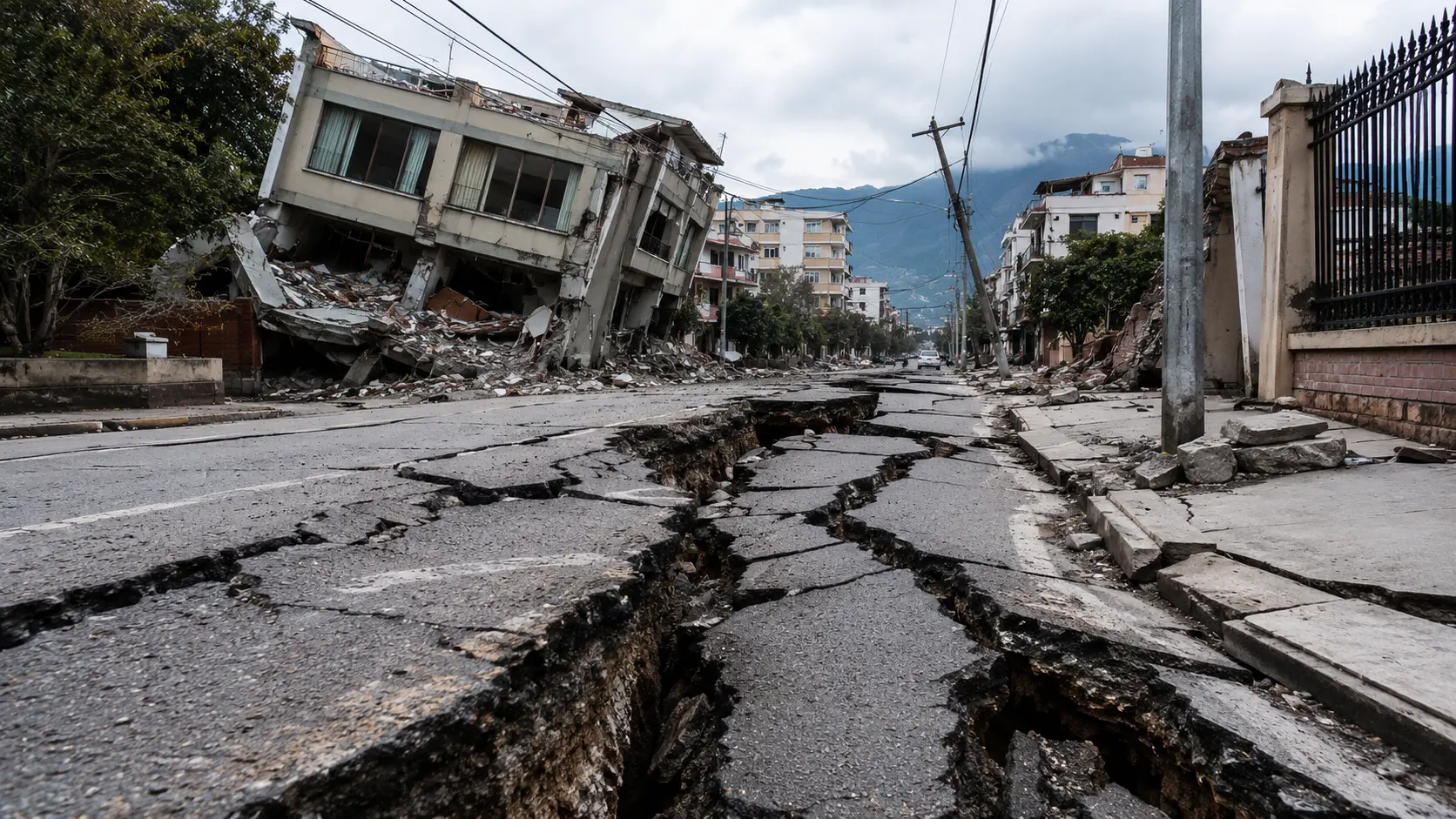
Automatic instrumental detection, siren activation and redundant communications managed from COMSIR, integrated with national Civil Protection bodies and international seismic monitoring platforms.
Seismic and volcanic risk gives no warning: it just happens. The difference between an effective warning system and none at all is measured in seconds. We design and deploy end-to-end instrumental detection, automatic activation and audible public warning systems for authorities, Civil Protection bodies and critical infrastructure operators in at-risk areas.

An earthquake of sufficient magnitude can trigger cascading effects within seconds: structural collapse, landslides, infrastructure failure and, in coastal areas, a tsunami. Volcanic activity can develop gradually or accelerate without warning, with lava flows, lahars, gas emissions or falling pyroclasts.
In both cases, the time available to issue an effective warning is extremely short. The full cycle —detection, validation, activation and warning— must run automatically, without depending on manual intervention at the critical moment. Redundant communications and energy autonomy are not options: they are design requirements.
High-power omnidirectional output with multilingual voice messages. Rugged outdoor design with remote or automatic activation.
Local, remote or automatic activation. Fixed and mobile units with solar power and encrypted communication.
Web SCADA for remote control, supervision and the emergency plan. Integration with the IGN, 112 and coordination centres via API.
Over 20 years deploying systems in areas where an effective alarm makes all the difference. In-house siren manufacturing, our own software and full technical support: from preliminary design to operational maintenance.
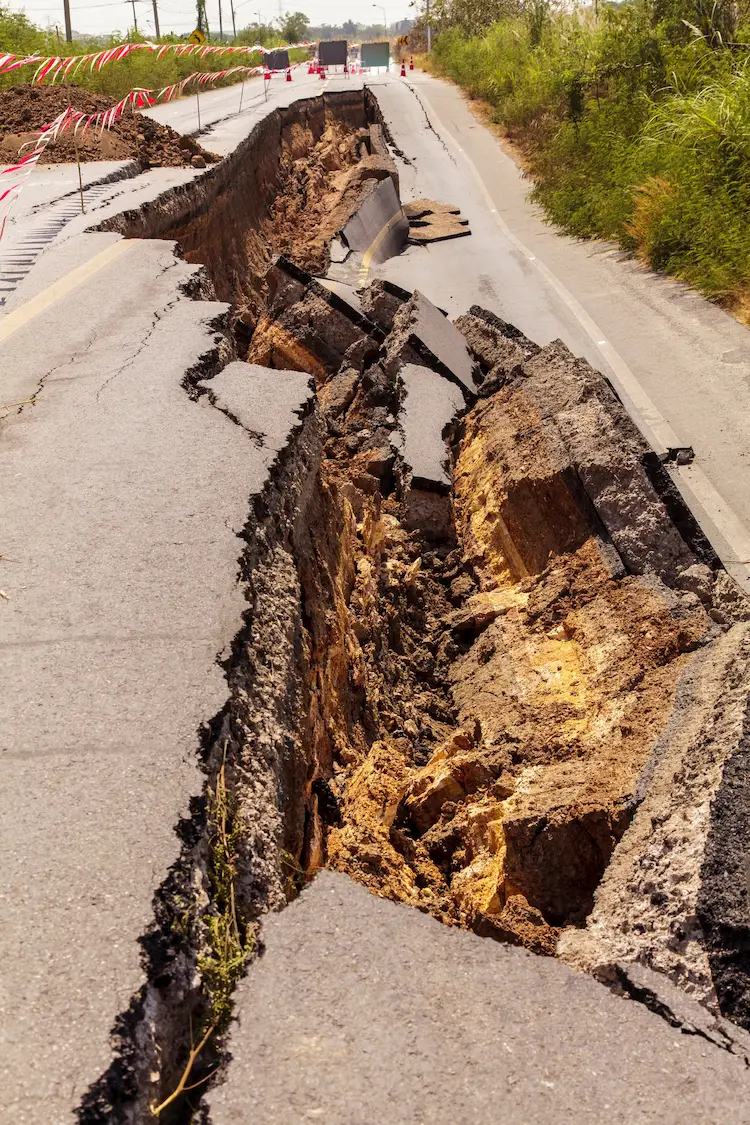
Technology active in coastal networks in Spain, Chile and Peru, working with national emergency management agencies.
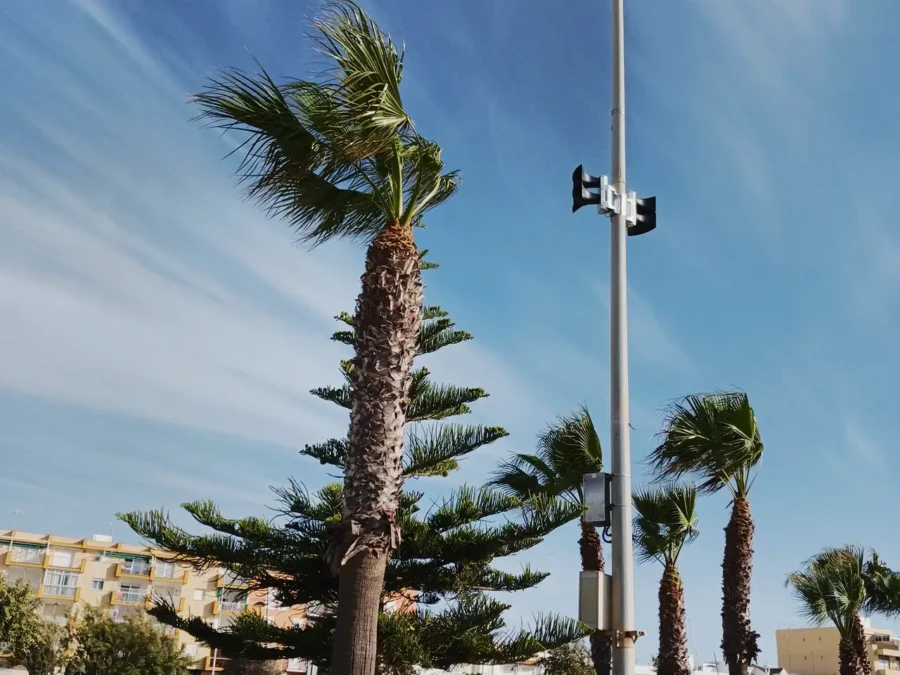
4 electronic sirens integrated with the municipal CECOP and 112 Andalusia via RESTful API. A UNESCO Tsunami Ready municipality. Validated in the provincial drill of November 2025.
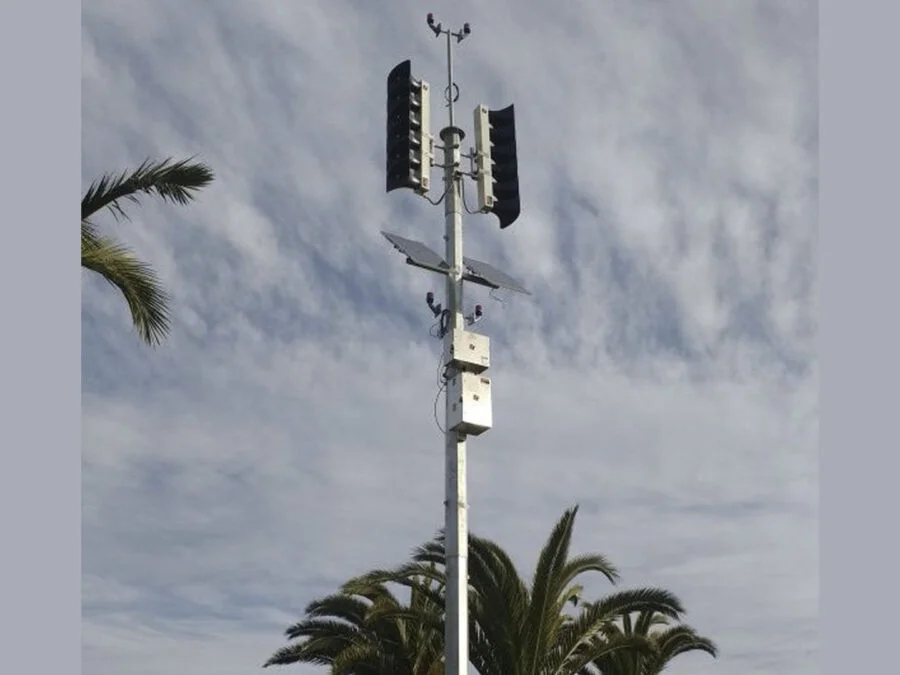
High-power electronic sirens in 5 coastal regions with integrated cameras and weather stations. Lafcarr is also bidding in the tender for the national 1,029-siren system coordinated by SENAPRED (2026).
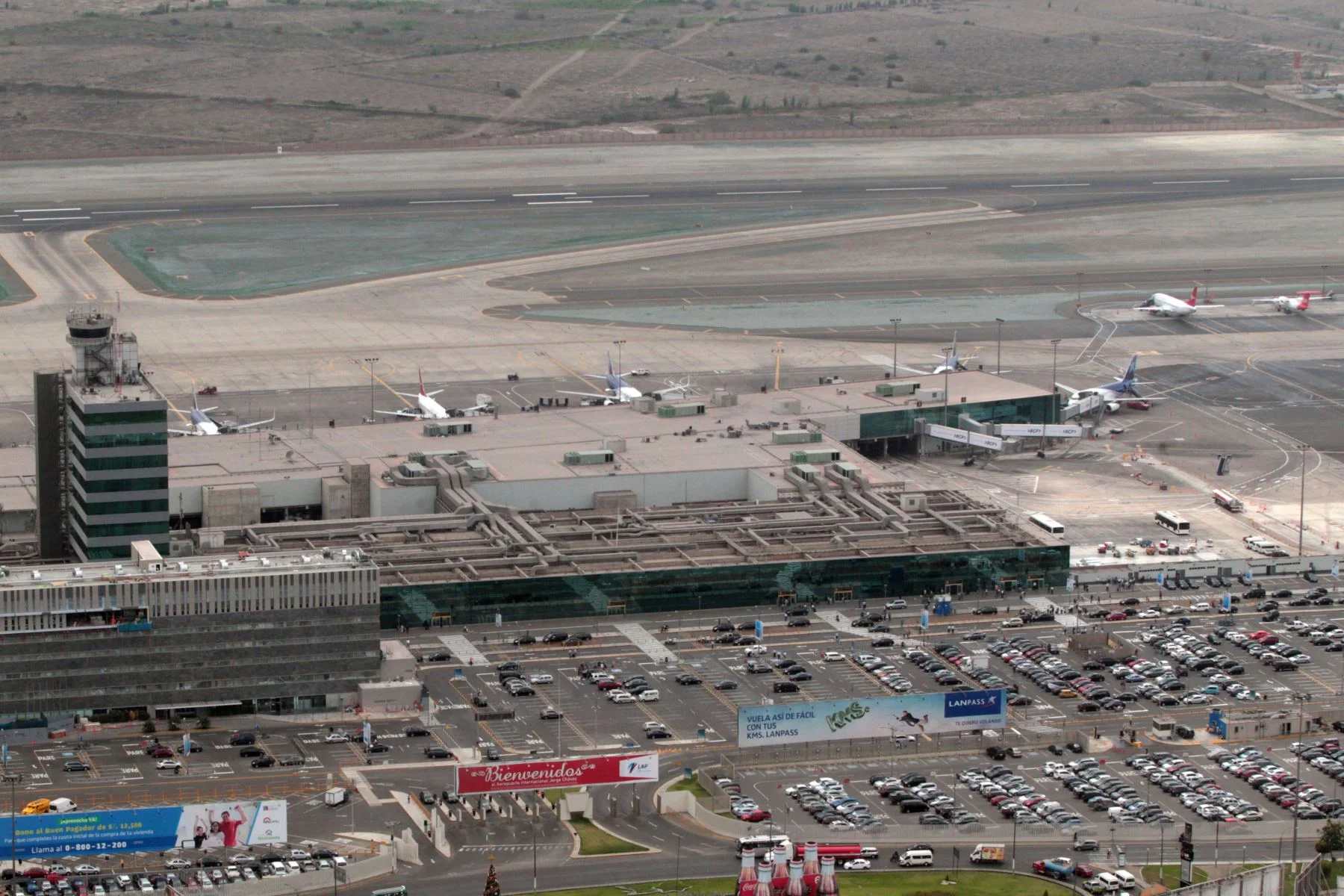
Earthquake and Tsunami Monitoring and Alarm System deployed at a top-tier critical airport, in an area of high seismic and coastal risk in the South Pacific.
We answer the questions most often raised by authorities, Civil Protection bodies, engineering firms and infrastructure operators at the design or tender stage.
Yes, where the national or regional plan or the operating protocol approved for the site expressly provides for it: the system can be configured so that, when certain seismic or volcanic thresholds are exceeded, it automatically activates the sirens and public warning according to that protocol. The operator can step in at any time to confirm, modify or cancel an activation within the set protocol times.
Yes. COMSIR includes RESTful API connectors and standard protocols (OPC, IEC-104, MODBUS) for integration with Spain's National Geographic Institute (IGN), Civil Protection coordination centres and equivalent official platforms in other countries. In volcanic areas it can also connect to dedicated monitoring networks such as the IGC in the Canary Islands.
The system runs on redundant parallel communications: PMR/DMR radio, mobile network and VSAT. Losing one medium does not interrupt operation. Each node has mains or solar photovoltaic power with backup batteries giving more than 3 days of autonomy, ensuring operation even during a total power cut.
Yes. The architecture is built to grow without changing the base system: a municipal pilot can expand into a county, regional or national network. Every new node joins the same control centre and the same traceability and operating framework.
Yes. Since an undersea earthquake of sufficient magnitude can trigger a tsunami, both systems share siren infrastructure, communications and control centres. Lafcarr has a dedicated tsunami solution (SMAST) that can be integrated with the seismic system in a single management and activation framework.
We work with authorities, Civil Protection bodies and critical infrastructure operators to design and deploy complete solutions: from the preliminary technical design to commissioning, regulatory integration and operational maintenance.