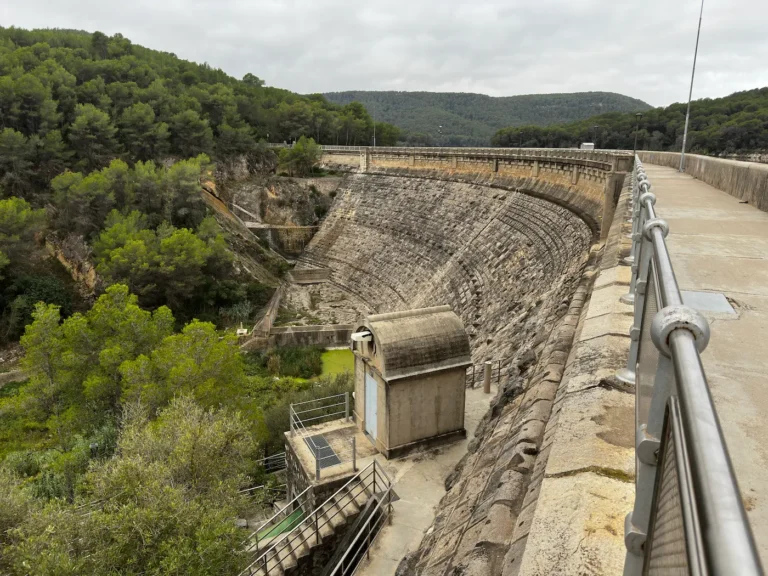

An emergency drill was held in Ribadelago Nuevo (Galende, Zamora) to check that the public warning siren system for the dams around Moncabril works properly. During the exercise, eight sirens were activated and sound readings were taken at reference points in the municipality, along with tests of redundant communications with the responsible bodies.
From historic disaster to a culture of prevention
Ribadelago is part of Spain's dam history because of the 1959 disaster at the Vega de Tera dam. Those events, still widely remembered locally, eventually drove changes in regulations, emergency plans and early warning systems. Today, regular drills reinforce a culture of prevention and resilience: they train teams, check equipment and help people recognise official signals (start of alert / end of emergency) and what to do, without the need to disclose sensitive figures.
Lafcarr's contribution to the siren system
Around 2016, Lafcarr upgraded the sirens and installed new equipment in the area, replacing old systems with in-house technology designed for reliability, coverage and ease of maintenance:
- Energy self-sufficiency with solar panels and batteries for continuous service.
- Acoustic performance with distinct signals (alert and end of emergency) and clear audibility in residential areas.
- Operational integration with Emergency Plan procedures and routine testing and checks.
What the drill checked
- Coordinated activation of eight public warning sirens.
- Local sound readings in the square and surroundings to confirm coverage and audibility.
- Testing redundant communications (fibre and satellite) with the emergency room and the bodies involved.
Need to audit or upgrade your warning system?
Technical assessment and a roadmap tailored to your infrastructure.